The Olfactory Acumen of Carp
Carp, with their remarkable olfactory senses, can detect minute concentrations of substances in the water, making them formidable opponents in the water. Their ability to sense chemical compounds is not merely good; it’s extraordinarily precise, enabling them to discern between a plethora of natural and synthetic aromas. This sensitivity is the cornerstone upon which the science of bait scent is built. Understanding the biochemical pathways that guide carp towards a bait is crucial for any angler looking to increase their catch rate.
The Chemistry of Attraction
At the heart of scent-based baits is a complex interplay of chemicals that are designed to mimic the natural diet of carp or to trigger curiosity through unfamiliar yet enticing scents. Ingredients such as amino acids, the building blocks of proteins, play a significant role in this. Amino acids like lysine and methionine are particularly attractive to carp, as they are essential for their growth and wellbeing.
Beyond amino acids, esters, aldehydes, and fatty acids are incorporated into baits for their potent olfactory appeal. These compounds can emulate the scents of natural food sources or produce a novel stimulus that piques the carp’s interest. It’s a delicate balance between mimicking the familiar and introducing the intriguingly alien.
Innovations from KC Baits: A Fusion of Science and Strategy
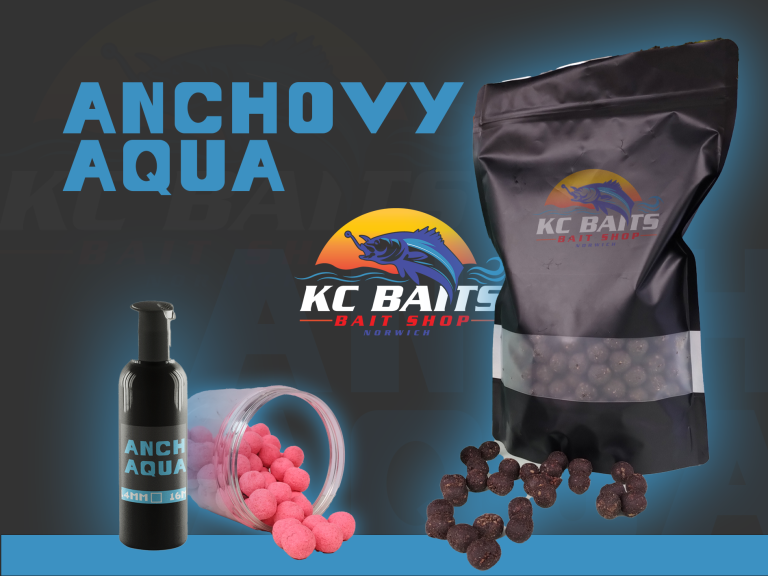
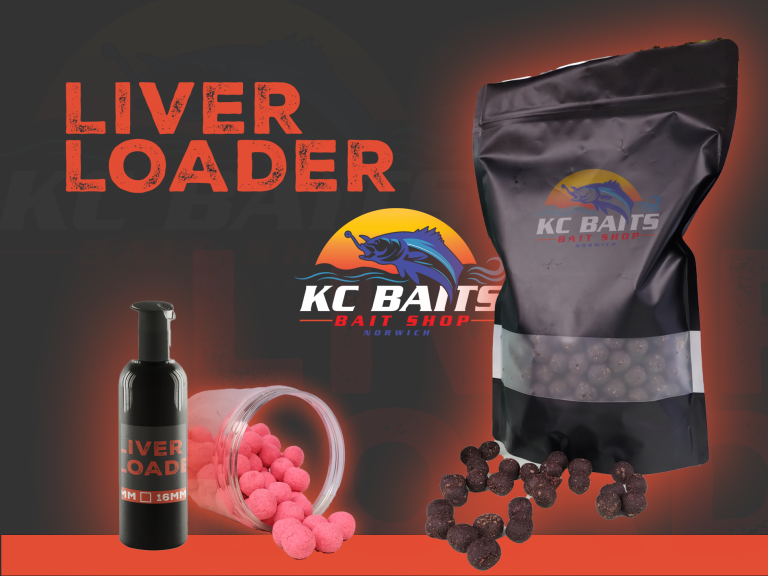
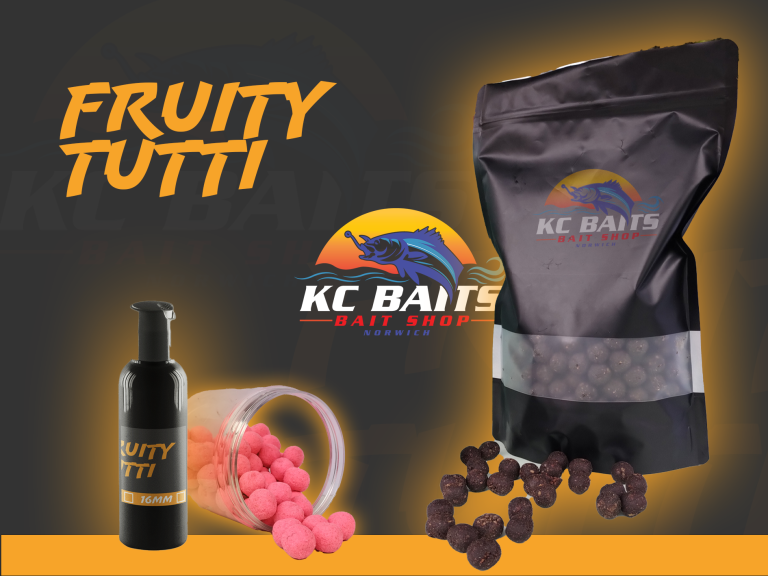
At KC Baits, we harness the power of these chemical attractants to develop our range of cutting-edge carp baits. Our innovation isn’t just in the choice of ingredients but in their synergy, creating complex scent profiles that are irresistible to carp. Here are some highlights from our product range, embodying our commitment to innovation in the science of scent.