The Evolution of Carp Baits: From Traditional Methods to Modern Innovations

The Evolution of Carp Baits: From Traditional Methods to Modern Innovations

The art of carp fishing has been refined over centuries, evolving from basic, rudimentary techniques to sophisticated strategies incorporating state-of-the-art baits and technologies. This journey, steeped in tradition yet marked by constant innovation, reflects not only advances in technology but also a deeper understanding of carp behaviour and nutritional needs. Let’s explore the transformation of carp baits from makeshift solutions to the highly specialised products offered today by leaders in the industry like KC Baits.

From Natural Beginnings to Tailored Preferences

Traditional Methods: In the early days of carp fishing, anglers relied predominantly on natural baits found in the carp’s own habitat. These included worms, snails, corn, and bread. Back then, fishing was mostly about survival or sport, with the techniques and baits used reflecting the simplicity of the tools available.

Homemade Baits: As the popularity of carp fishing grew, particularly in Europe, anglers began experimenting with homemade baits. Common recipes included “special pastes,” which were often mixes of bread, cornmeal, and flavours like honey or vanilla. These pastes could be moulded onto hooks but lacked uniformity and often dissolved too swiftly in water.

Rise of Boilies and Particle Baits

The 1970s marked a significant turning point with the invention of the boilie by Fred Wilton, who recognised the need for a durable, protein-rich bait. Boilies were revolutionary as they could withstand immersion in water for long periods, allowing for extended fishing sessions. Composed of eggs, flour, and various attractants, boilies were boiled to create a hard outer shell that resisted small, nuisance fish, yet remained appealing to carp.

The introduction of particle baits like tiger nuts, maize, and pellets further diversified the carp angler’s arsenal. These not only appealed to carp’s dietary preferences but were also efficient in terms of preparation and cost. Unlike boilies, particle baits often required soaking and cooking, processes that released enticing aromas into the water, drawing carp from greater distances.

Technological Advancements and Nutritional Science

With the growth of carp angling as a sport, the focus shifted towards enhancing the effectiveness of baits through scientific and technological advancements. Research into carp dietary needs led to baits designed to improve health, digestion, and endurance in fish, which in turn could influence their growth and the likelihood of them being caught.

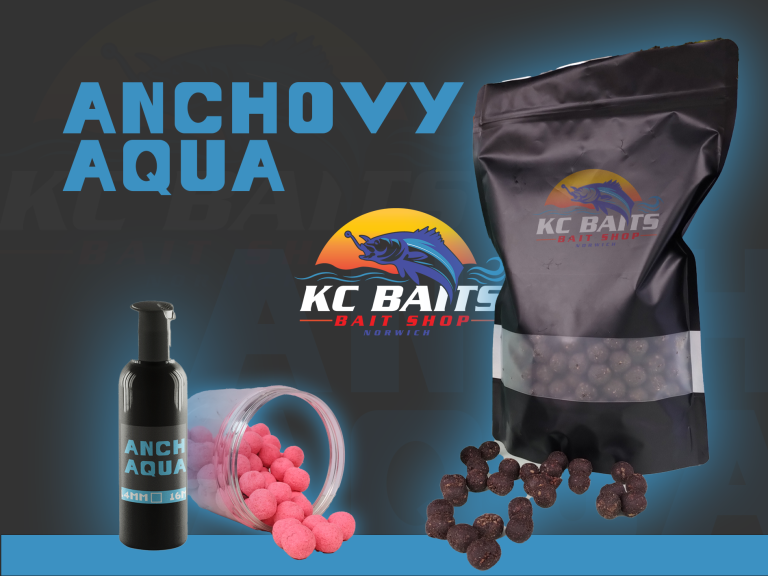
Modern baits such as those developed by KC Baits often include advanced attractants like pheromones, taste enhancers, and specific amino acids, which are fundamental in luring carp efficiently. Innovations such as flavoured glugs and dips also allowed anglers to add an extra sensory layer to their baits, making them irresistible to carp.

Environmental Considerations and Ethical Angling

As awareness of environmental impact increased, the creation of eco-friendly baits became a priority. Modern manufacturers are now committed to producing biodegradable and environmentally sustainable products, balancing effectiveness with ecological responsibility. The modern angler must also contend with regulations that dictate bait composition and usage, ensuring that local ecosystems are not adversely affected by angling activities.

Ethical considerations have also grown in importance, with catch-and-release becoming a common practice among carp anglers. This shift towards conservation has influenced bait manufacturers like KC Baits to develop products that are safe and beneficial for carp, promoting healthy recovery post-catch.

The Future of Carp Baits

Looking ahead, the future of carp baits appears poised for further innovation. The incorporation of technology, such as smart baits equipped with microchips to monitor water temperatures and fish responses, may soon be on the horizon. Additionally, the blending of traditional angling knowledge with cutting-edge science suggests that baits will become even more specialised, targeting not just carp, but specific carp behaviours, conditions, or environments.

Conclusion

The evolution of carp baits from simple, natural foods to sophisticated, scientifically formulated products reflects broader trends in both technology and understanding of aquatic life. Companies like KC Baits stand at the forefront of this evolution, constantly innovating to meet the demands of modern carp anglers. As we look to the future, it is clear that the quest for the perfect carp bait is far from over; it is a dynamic, ongoing journey driven by passion, science, and the timeless allure of angling.